Robots the whole household actually uses
The family test is not the demo — it's month three, when a robot either has a place in the household's routines or a place in a drawer. These picks earn the routine: multiplayer by design, shared by nature, or built together in the first place.
The household picks
Four different theories of "family robot": the one built for siblings at a table, the one that patrols the whole house, the one you assemble together, and the one that just lives on the sofa.
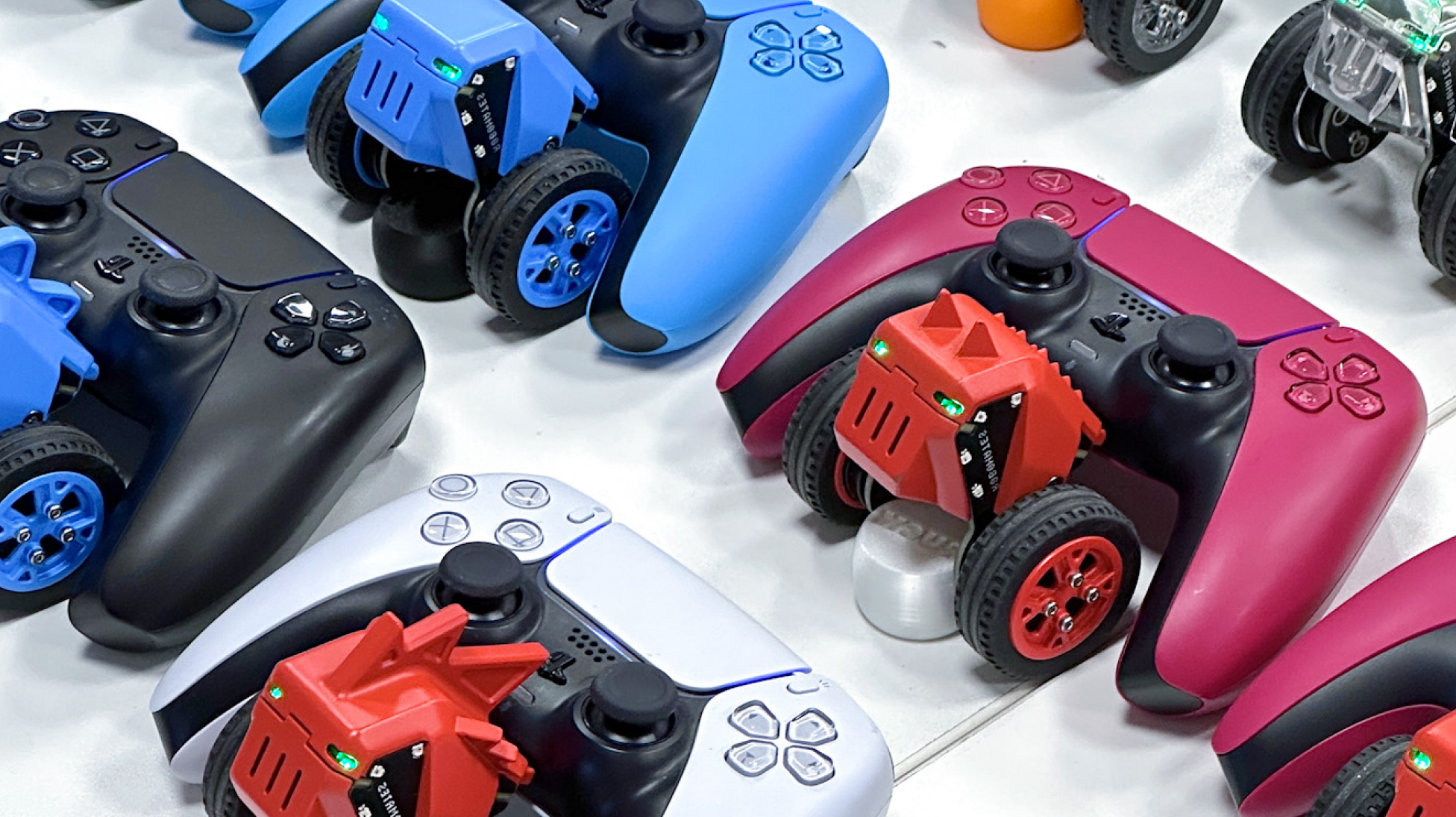
Robot football and push battles are designed for a table with siblings at it — the second unit is the real purchase. Peace lasts until it's charged; we've noted this as a feature.
Read the review →
It seeks people out, recognizes faces, and — load-bearing for family budgets — carries no subscription as of August 2026.
Read the review →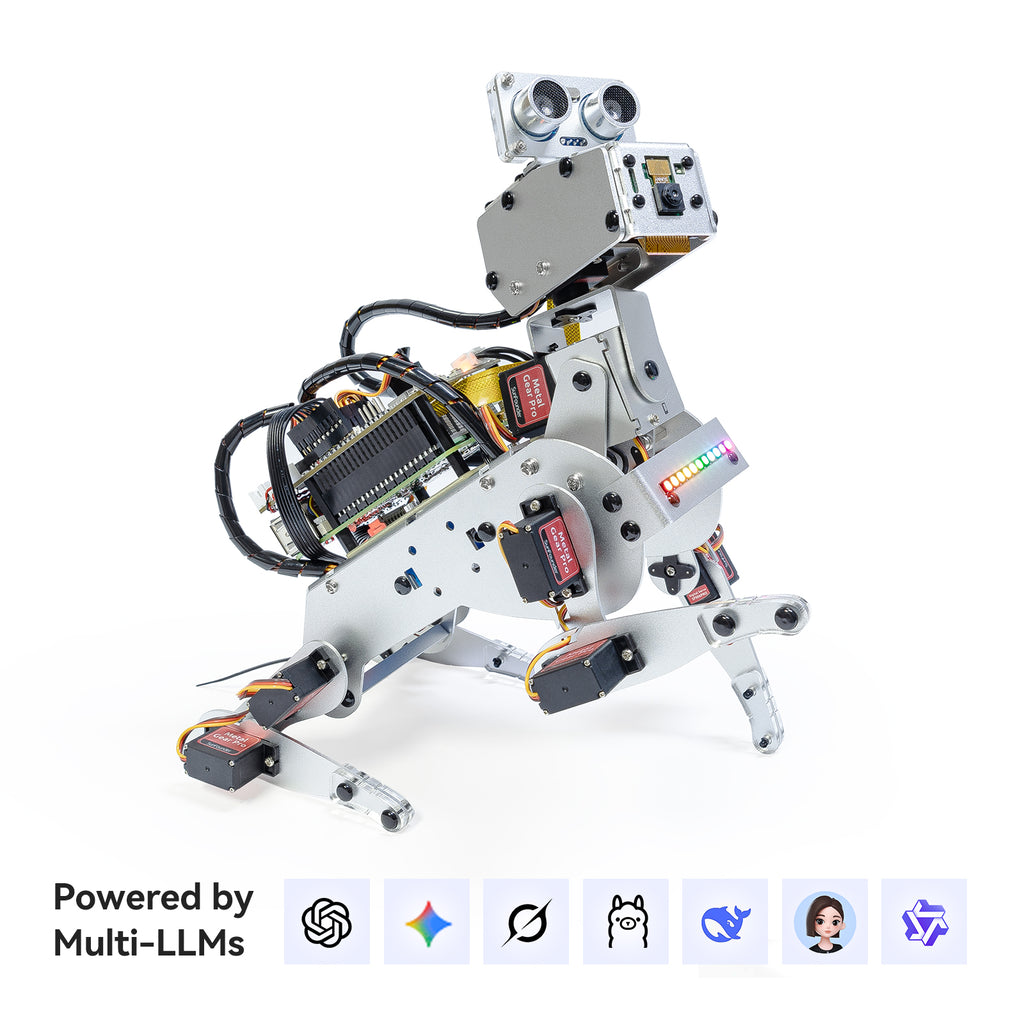
A long afternoon of assembly with a kid, then a robot whose personality the family literally chooses — it speaks through whichever AI you configure.
Read the review →
No turns to take, no app to fight over — it lives on the sofa and works on whoever sits down. The control specimen of family robotics.
Read the review →The camera conversation
Family robots live in family spaces, so the sensor question is a house rule, not a spec: Loona sees (that's how it recognizes you); Robomate, PiDog and Qoobo don't do cloud-camera anything. Every review carries the full sensor manifest — and the support tracker answers the other family question: whether the robot outlives the company that made it.